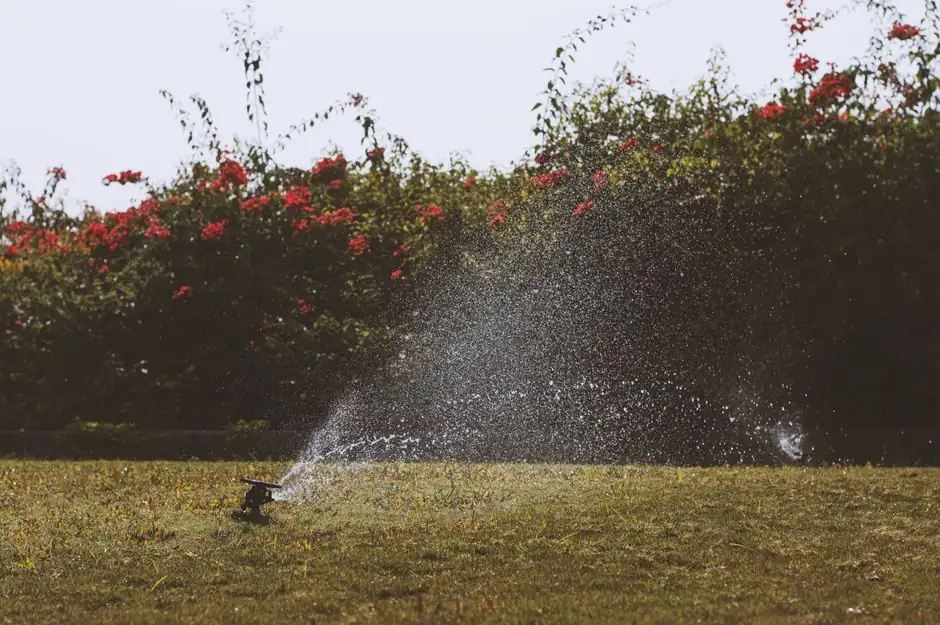
Irrigation system leaks can lead to significant water waste and damage to your yard. Identifying these leaks early can save you money and help maintain a healthy landscape.
This article will guide you through the signs of irrigation system leaks, common causes, and methods to check for leaks effectively in your San Antonio yard.
What is irrigation system leak detection?
Irrigation system leak detection is the process of identifying leaks in your irrigation system that can cause water loss and damage. Regular checks are essential, especially in climates like San Antonio's, where water conservation is crucial.
Signs of an irrigation system leak
Several signs indicate a potential leak in your irrigation system:
- Puddles or wet spots: Look for unusually wet areas in your yard, especially after the system has run.
- Unexplained water bills: A sudden spike in your water bill may signal a leak.
- Dry patches: Ironically, you might notice dry areas in your yard if water is leaking underground.
- Water pooling: If water accumulates in specific areas, it could indicate a break in the system.
These signs are particularly relevant in San Antonio, where the summer heat can exacerbate water loss.
Common causes of irrigation leaks
Understanding the common causes of irrigation leaks can help you prevent future issues:
- Wear and tear: Over time, components like hoses and fittings can degrade, leading to leaks.
- Improper installation: Incorrectly installed systems may have weak points that are prone to leaks.
- Tree roots: Invasive roots can penetrate and damage irrigation lines.
- Frost damage: In colder months, frost can crack pipes, especially if they are not properly insulated.
In San Antonio, where the weather can fluctuate, being aware of these causes can help you maintain your irrigation system.
How to check for leaks in your irrigation system
To effectively check for leaks in your irrigation system, follow these steps:
- Visual inspection: Walk your yard and inspect all visible components of the irrigation system for signs of wear or damage.
- Check the water meter: After turning off the irrigation system, monitor the water meter for any movement, which could indicate a leak.
- Pressure test: Use a pressure gauge to test the system's pressure. A significant drop may indicate a leak.
- Listen: Pay attention to any hissing or bubbling sounds near the irrigation lines, which can indicate escaping water.
These methods can help you pinpoint issues before they escalate, saving you time and money.
What to watch out for
When inspecting your irrigation system, be mindful of:
- Hidden leaks: Some leaks may not be immediately visible, especially those underground.
- Soil erosion: If you notice soil erosion in your yard, it might be a result of a hidden leak.
- System pressure: Regularly check and maintain system pressure to prevent leaks from developing.
By staying vigilant, you can catch issues early and mitigate damage to your property.
When to call a professional
If you suspect a significant leak or cannot locate the source of the problem, it's time to call a professional. Alamo Leak Detection specializes in irrigation leak detection in San Antonio and can help you identify and resolve issues quickly.
Frequently Asked Questions
How can I tell if my irrigation system is leaking?
Check for puddles, dry patches, or a sudden increase in your water bill. These signs often indicate a leak.
What should I do if I find a leak?
Shut off the system immediately and inspect the area. If you cannot locate the leak, consider contacting a professional.
Are there specific times of year when leaks are more common?
Leaks can occur year-round, but they are often more noticeable during dry seasons when irrigation is frequently used.
How much does irrigation leak detection cost in San Antonio?
Typical costs for irrigation leak detection services in San Antonio range from $100 to $300, depending on the complexity of the system and the extent of the leak.
Can I prevent leaks in my irrigation system?
Regular maintenance, proper installation, and timely repairs can significantly reduce the risk of leaks.